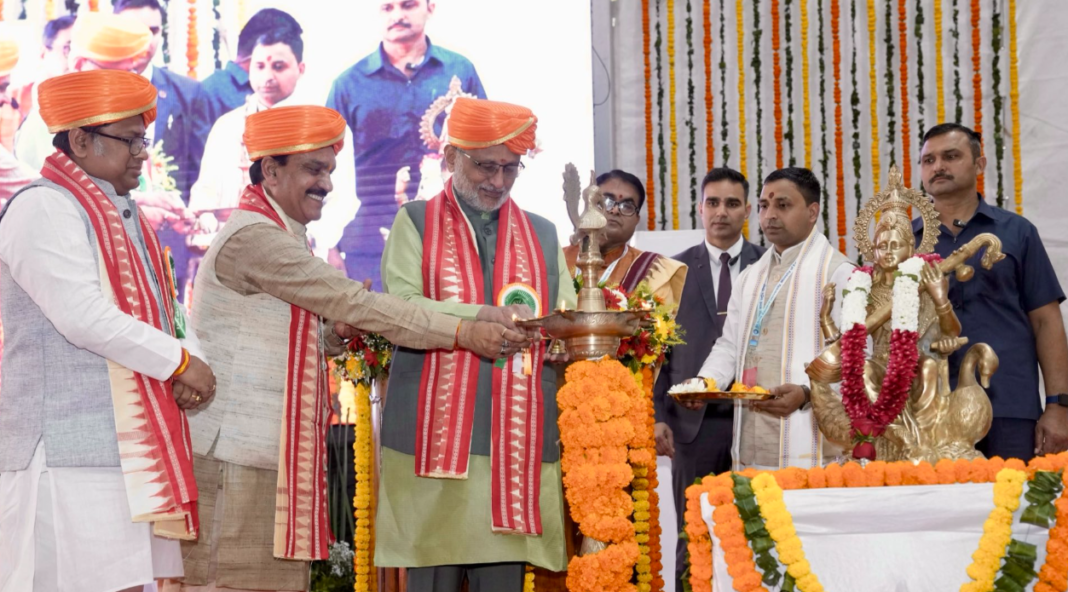
New Delhi: Vice-President C. P. Radhakrishnan addressed the second convocation of Shri Lal Bahadur Shastri National Sanskrit University at Qutub Institutional Area in New Delhi on October 6, 2026, and highlighted the importance of preserving, studying and taking India’s traditional knowledge to future generations.
Addressing graduating students, their parents, faculty members and the university community, the Vice-President congratulated the graduates and encouraged them to carry forward their learning while remaining connected with India’s cultural and intellectual heritage.
The Vice-President described Sanskrit as a connecting thread among India’s diverse languages and emphasised its role in the country’s linguistic and cultural traditions. He underlined the need to ensure that Sanskrit and India’s ancient knowledge systems continue to be studied, interpreted and made accessible to younger generations.
He also spoke about the growing ecosystem for Sanskrit education and scholarship, noting the efforts being made to encourage the study and wider use of the language.
The Vice-President stressed that preserving ancient knowledge should go beyond merely protecting historical texts. He called for systematic study, interpretation and wider dissemination so that traditional knowledge can remain relevant to future generations.
The address also highlighted the responsibility of educational institutions to combine India’s intellectual heritage with contemporary learning and opportunities.
Radhakrishnan also advised students to maintain a healthy balance between the digital and physical worlds. He urged young people to use social media responsibly and cautioned against allowing excessive engagement with virtual platforms to distance them from real-life relationships and experiences.
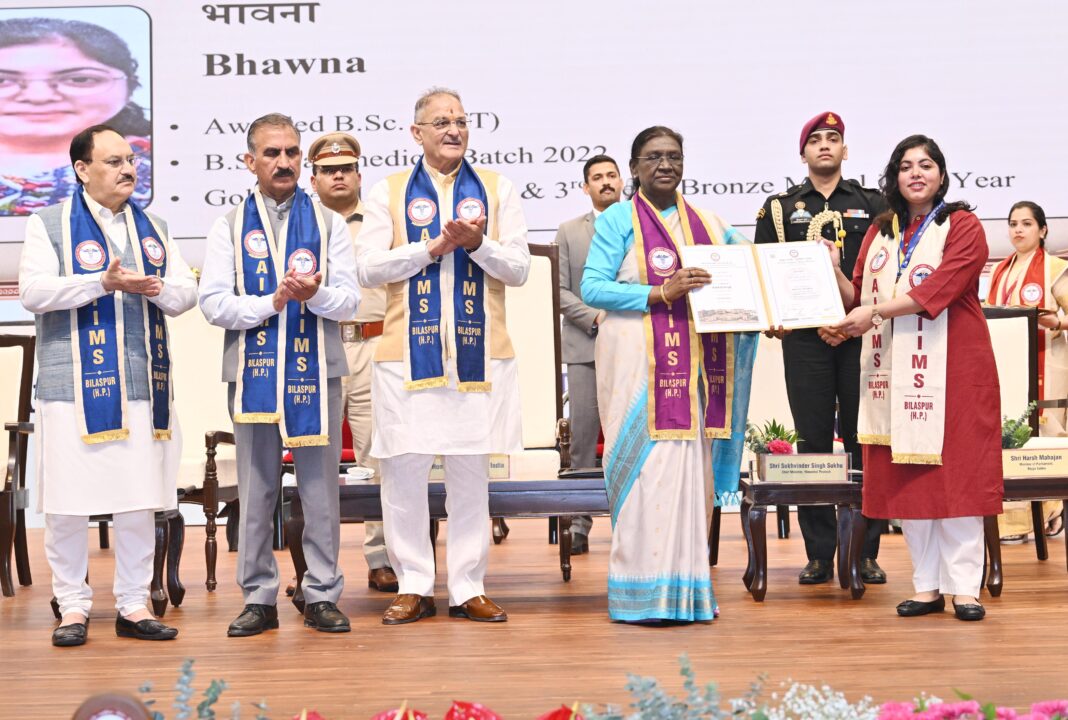
During the convocation, the Vice-President led the gathering in taking the “No to Drugs” pledge and presented gold medals to meritorious graduating students.
The ceremony brought together students, faculty members and the university community to mark the academic achievements of the graduating batch while highlighting the continuing relevance of Sanskrit education and India’s traditional knowledge.