


In a landmark decision aimed at simplifying taxation and easing the burden on the common man, the Goods and Services Tax (GST) Council has approved a new two-rate tax slab structure effective from 22 September 2025.
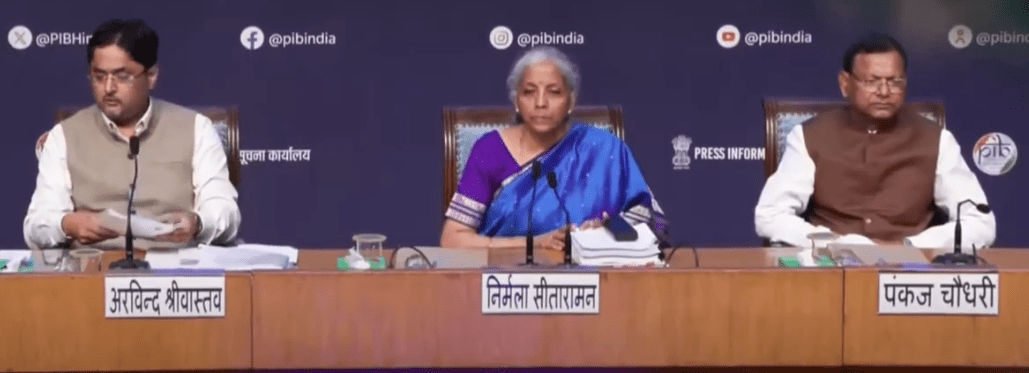
The decision was announced by Union Finance Minister Nirmala Sitharaman after the 56th meeting of the GST Council, held on Wednesday in New Delhi.
The government has decided to retain 5% and 18% as the primary GST slabs, while introducing a 40% “special rate” for sin goods like tobacco and luxury items such as large cars, yachts, and helicopters. The move is expected to reduce the prices of essential and daily-use items such as soap, shampoo, toothbrushes, bicycles, coffee, butter, and handicrafts.
The new GST rates will be implemented from 22 September 2025, except for tobacco and tobacco-related products, which will shift to the higher 40% slab on a date to be notified later.
The decision applies nationwide across India, covering industries ranging from agriculture and health to automobiles and textiles.
According to the Finance Minister, the reforms were undertaken with a focus on benefiting the common man, boosting compliance, and rationalizing the tax structure. The government projects a net fiscal implication of ₹48,000 crore in 2023–24, though the actual impact will depend on consumption patterns.
“These reforms have been designed keeping the common citizen at the center. Rates have been reduced for most essential items, labor-intensive industries, and agriculture-related sectors. Health and education have also received significant support.”
- Essential Goods Cheaper: Items like sauces, noodles, chocolate, coffee, marble blocks, leather goods, and bio-fertilizers will now attract 5% GST instead of 12%.
- Cement will see a major cut from 28% to 18%.
- Zero-Tax for Basics: Staples such as milk, cheese, chapatis, parathas, and 33 life-saving drugs will move from 5% or 12% to 0%.
- Automobile Sector Relief: Small Cars and Motorcycles with engine capacity up to 350cc has been reduced from 28% to 18%.
- Textile & Fertilizer Fix: The long-standing inverted duty structure on man-made fibers and fertilizers has been corrected with rates brought down to 5%.
- Special Rate of 40%: To be levied only on sin goods like pan masala, gutkha, cigarettes, and luxury items once the Center repays compensation loans to states within this calendar year.
The government expects the rationalization of GST rates to not only provide relief to households but also generate a “bounce effect” in economic activity and compliance. With a sharper focus on inclusivity, affordability, and industry support, the GST reform marks a new chapter in India’s indirect taxation system.


